Beauty Gift Sets and Kits: Reconcile Components Before Offering the Lot
A kit carton count does not prove that complete sellable sets exist. Reconcile the exact components, variants, inserts, and outer packaging before offering beauty gift sets, the...
Oct 30, 2026 · Jenny Parker · 4 min read
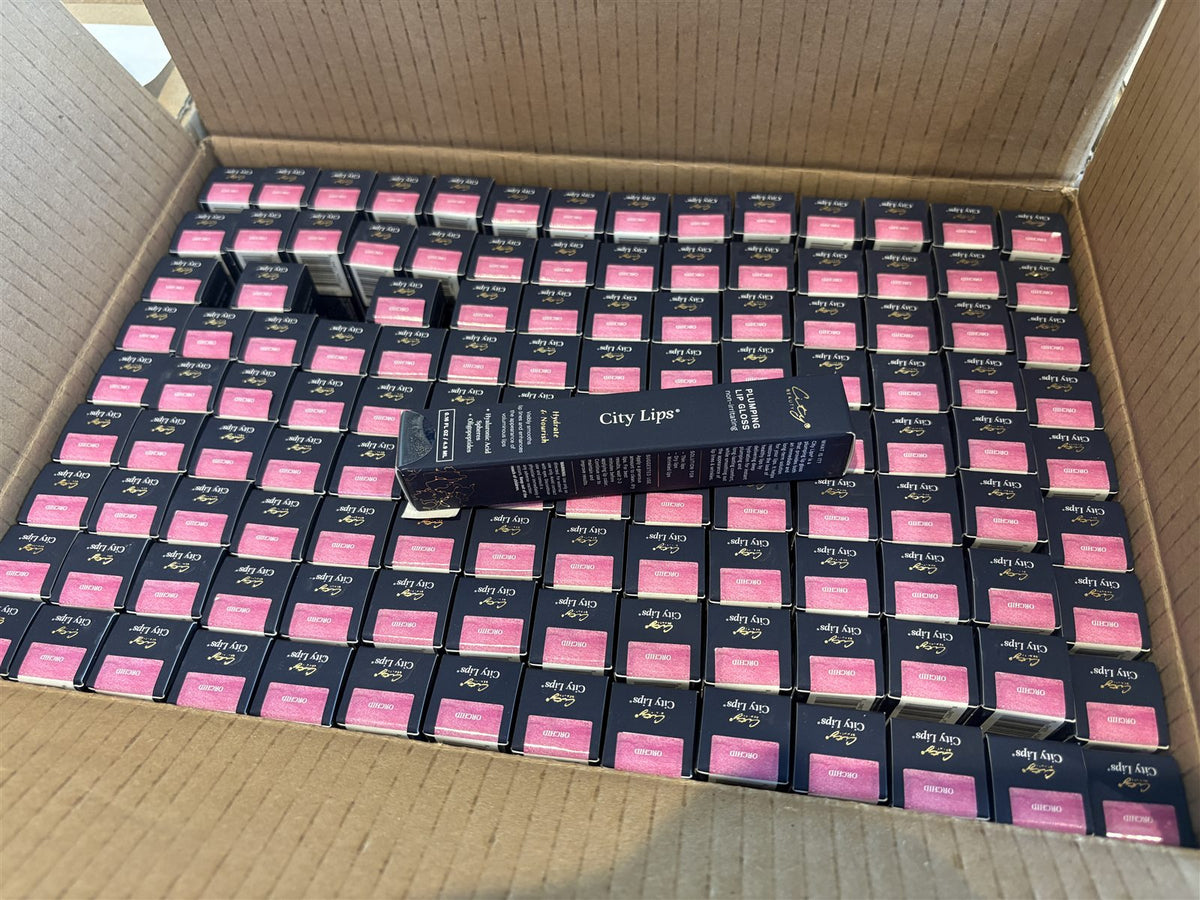
A warehouse can show a healthy quantity of beauty kits while the component records tell a different story. Some cartons may contain complete sets. Others may hold loose products awaiting assembly, kits with a missing accessory, or old packaging for a combination that is no longer approved.
Before offering those goods, determine what a complete kit actually means. A clear component reconciliation prevents the seller from quoting theoretical sets that cannot be assembled or handing a buyer an undisclosed sorting project.
Freeze the kit definition
Start with an approved bill of materials for the exact kit version. List every product, size, shade, quantity, accessory, insert, and packaging item included in the offer. Record the kit identifier separately from the component identifiers. Similar promotional names can conceal different contents.
Clarify whether an item is essential to the described retail presentation or merely part of the transport setup. Do not remove a missing component from the definition just because it is inconvenient. If the proposed contents change, the description, imagery, identity, and any required approvals need corresponding review.
Calculate the limiting component
The number of potential complete sets is constrained by the scarcest required component, not by the number of empty boxes. Count each component in the quantities required per kit, then compare those available quantities.
For an illustrative planning example, suppose each kit needs one cleanser, one pouch, and two masks. Available stock includes 900 cleansers, 700 pouches, and 1,200 masks. The masks support at most 600 complete kits, before condition checks, permissions, assembly losses, or other constraints. These figures are planning illustrations, not buyer pricing promises.
That calculation identifies an upper boundary, not a verified offer quantity. Physically assembled kits still need reconciliation against the contents they are supposed to contain. Loose stock should not be counted both as a component available for assembly and as a separate offered unit.
Use separate status buckets
- Complete kits verified against the approved contents.
- Components available for a possible authorized assembly route.
- Incomplete kits requiring a defined decision.
- Surplus components remaining after planned assembly.
- Items on hold for identity, condition, date, or permission review.
Inspect the relationship between components
Check that variants match the described assortment. A pouch may be the correct size but the wrong promotional design. A moisturizer may have the right brand name but a different pack size. A barcode on the outer carton may describe an earlier configuration rather than the contents currently inside.
Where component date information is relevant, preserve it. Do not use the most favorable component date as a shorthand for the entire set. Identify what information is available and have the responsible team determine whether the combination is appropriate for the proposed route.
Compare complete-set and component routes
Complete kits may offer a coherent retail proposition, but assembly, verification, packaging materials, and storage can change the economics. Selling eligible components separately may reduce assembly work while creating new identification, packaging, and channel questions.
Obtain operational estimates before choosing. Include the cost of opening existing kits, removing obsolete materials, verifying component identity, and managing leftovers. Confirm that any proposed separation or reconfiguration is permitted and leaves products with appropriate packaging and information. Do not assume a loose miniature is independently suitable for resale.
Describe the offer in the buyer's unit
State whether the offer quantity means complete kits, individual products, component bundles, or mixed cartons. List exclusions clearly. If the buyer must perform assembly, disclose exactly what work remains and which materials are included. A component opportunity should never masquerade as finished retail inventory.
Keep a final reconciliation showing starting components, units assigned to kits, surplus units, and holds. When packing or collection changes the quantities, update the same record rather than creating a competing spreadsheet.
Ask Offcos to review your gift-set inventory with the kit definition and component breakdown included. That gives the discussion a practical starting point: what exists, what is complete, and what still requires an authorized decision.
Turn dead stock into working capital.
Tell us what you have. You get a firm offer within 24 hours, and you are paid before anything leaves your warehouse.