Why Exporting Excess Beauty Stock Protects Your Domestic Pricing
A domestic closeout does not remove your excess stock from the market. It adds a cheaper version of you to it.
Sep 25, 2026 · Jenny Parker · 3 min read
There is a quiet arithmetic problem with selling excess beauty inventory at home. You do not remove the product from your market. You introduce a cheaper version of yourself into it.
The pallets leave your warehouse, so it feels resolved. Six weeks later the same SKU is listed at a fraction of your price on the same marketplace where you sell full price, your retail partner's buyer notices, and a problem you thought you had closed reopens with interest.
What a domestic closeout actually costs
The write-off you avoided is visible. These costs are not, but they are usually larger:
- Price anchoring. Customers who see the discounted price learn what your product is "really" worth, and wait for it again.
- Retail friction. Buyers at your key accounts monitor pricing. Being undercut on your own SKU is an uncomfortable conversation at renewal.
- MAP erosion. Minimum advertised price policies are hard to enforce once product is loose in the domestic secondary market.
- Cannibalization. Some share of those discounted units replace a full-price sale you would otherwise have made.
None of it shows up on the line item for the liquidation. All of it shows up in next year's margin.
Why geography solves it
Export changes one variable and fixes all four: your customers and your retail partners never see the price.
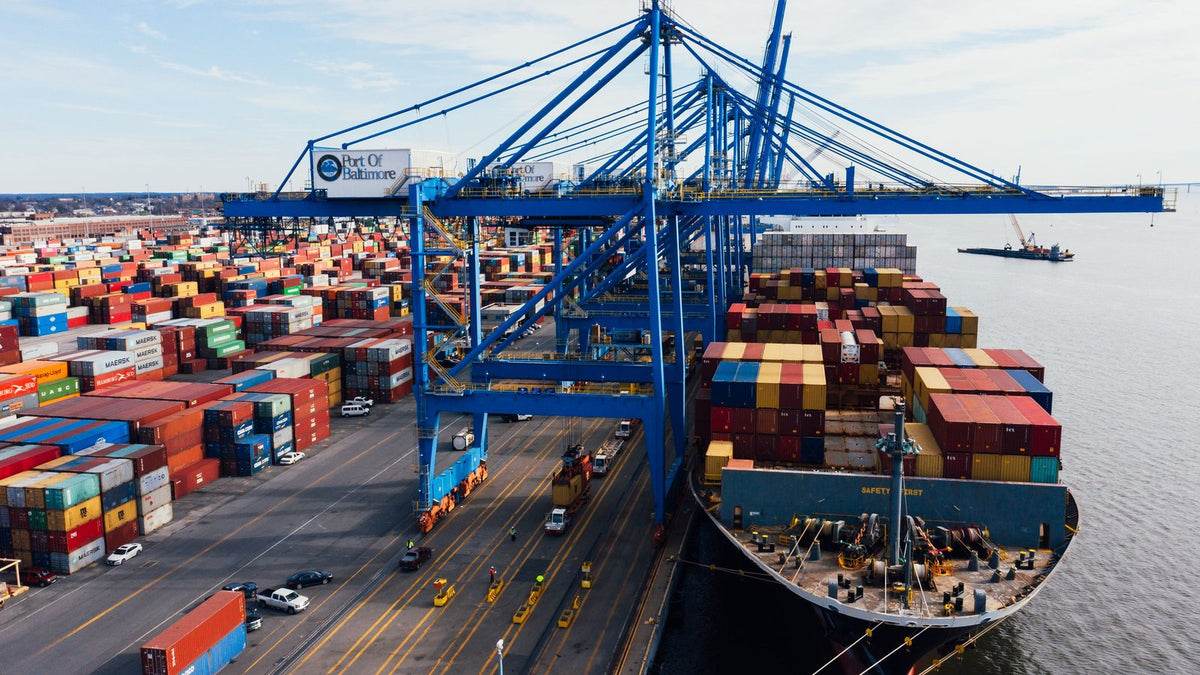
A Korean brand's excess moving into Latin American distribution is not competing with its domestic e-commerce or its Olive Young shelf. A US brand's shelf-pulls going overseas do not appear in a Target category buyer's price check. The recovery is real, and the market you built stays intact.
Discount depth is not what damages a brand. Discount proximity is.
Why the demand is genuinely there
This is not a matter of dumping product somewhere it is not wanted. Korean and American beauty carry strong preference in a number of import markets, and buyers there are generally working with limited access to authentic branded stock and a customer base that wants exactly these categories. Excess inventory that has stalled in a saturated home market can be a headline product somewhere else.
That is the trade Offcos runs: supply from Korea and the US, demand across export markets including Latin America, matched through a vetted buyer network.
What export adds in practice
Export is not harder, but it is different. The pieces that have to be handled:
- Documentation — commercial invoice, packing list, and product documentation the destination country requires.
- Regulatory fit — cosmetics rules on ingredients and labelling vary by country; the destination has to be chosen with that in mind.
- Labelling — some markets require local-language labelling, applied at destination.
- Shelf life on arrival — see the point above about the freight clock.
- Payment security — international transactions are exactly where "we will pay you after it sells" turns into a problem.
If you are handling export yourself, that list is a project. Working through a buyer who already runs these lanes, it is their job, not yours.
The questions worth asking any buyer
- Which countries will this actually be sold in?
- Will you accept a written no-re-import clause?
- Who prepares and owns the export documentation?
- When exactly am I paid, relative to pickup?
Clear answers to those four tell you more about a counterparty than the price does.
The point
Excess inventory is not the threat to your pricing. Excess inventory sold into your own market is. Move it outside, put the territory in writing, get paid before the truck leaves, and the write-off becomes recovery without a cost attached.
Submit your inventory and we will tell you where it can go — firm offer within 24 hours.
#Offcos #Offcos.ai #Export #PricingStrategy #BrandProtection #BeautyLiquidation #KBeauty #LatinAmerica #Wholesale
Turn dead stock into working capital.
Tell us what you have. You get a firm offer within 24 hours, and you are paid before anything leaves your warehouse.