Limited-Channel Beauty Inventory: An Agreement Checklist Before Release
A vague request to protect the brand leaves too much room for interpretation. Translate approved channel limits into a specific inventory scope, buyer acknowledgment, onward-sal...
Nov 08, 2026 · Jenny Parker · 4 min read
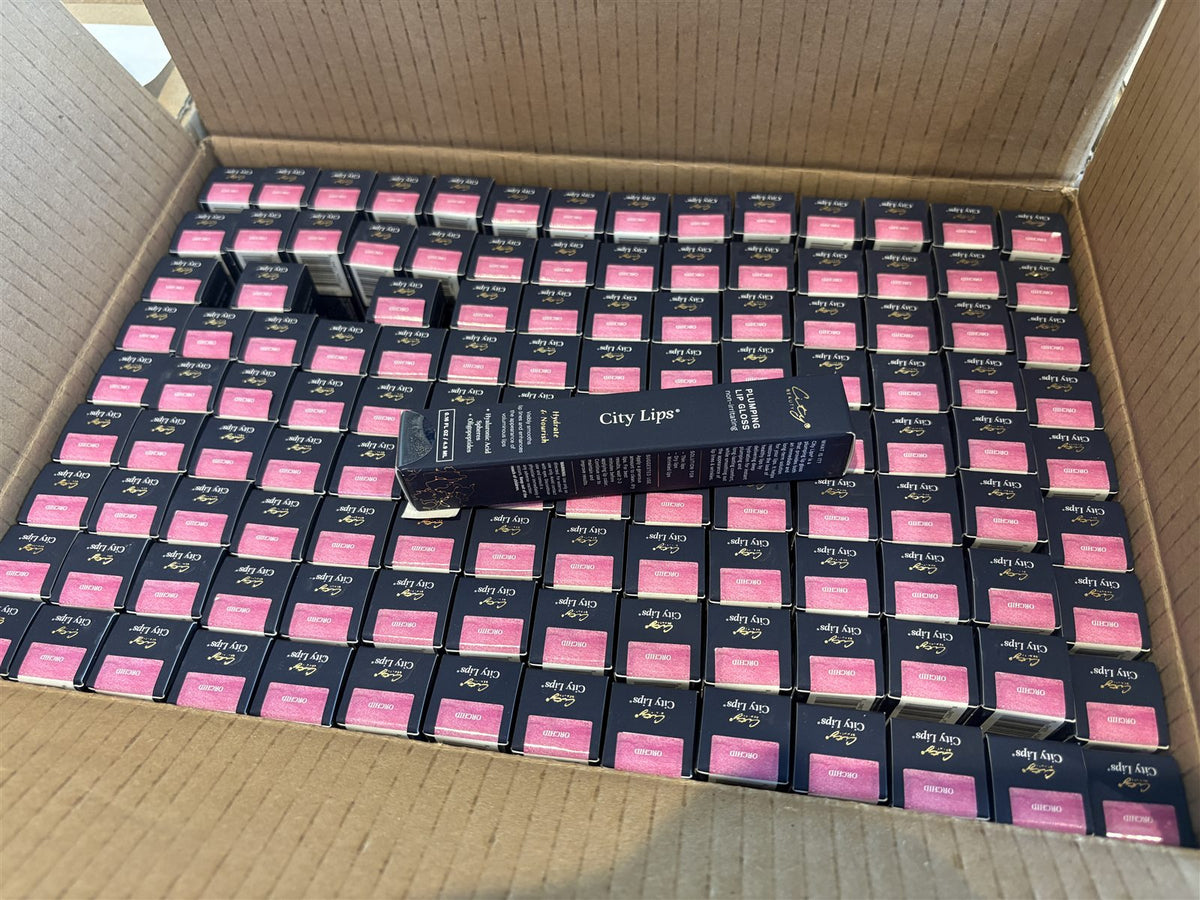
“Please keep these products out of our main market” may express a commercial goal, but it does not tell a buyer exactly which routes are permitted. The ambiguity becomes more serious when inventory includes different brands, territories, or product-specific restrictions.
A limited-channel transaction needs a clear operating brief before release. The checklist below helps teams organize that brief and identify questions requiring appropriate professional review. It is a practical planning tool, not a statement that any particular restriction is suitable or enforceable.
Confirm the seller's authority and the approved objective
Identify who has approved the proposed resale route and the basis for any relevant permissions. Do not assume that owning inventory resolves every brand, distribution, or contractual question. If the seller's authority to offer the goods under the proposed conditions is uncertain, resolve it before presenting firm terms.
Write the objective in operational language. “Avoid public marketplace listings” is a more specific discussion point than “protect our brand,” though the precise boundaries still need definition and review. Separate an internal preference from a condition the buyer is actually expected to accept.
Define the exact product scope
Attach the relevant manifest version and identify which restrictions apply to which lines. Include quantities, product identifiers, and any differences between brands or assortments. Avoid a broad statement that appears to cover stock that is not part of the transaction.
If the inventory changes after review, confirm whether the same conditions still apply. A substituted SKU can have different permissions. The warehouse should release only the approved stock rather than treating nearby inventory as interchangeable.
Specify the route rather than relying on labels
Terms such as “export,” “offline,” “wholesale,” or “secondary market” can mean different things to different parties. Ask for a concrete description of the proposed route, purchasing entity, destination where relevant, and types of resale activity contemplated.
- Which territories or destinations are within the approved scope?
- Which sales channels are permitted or excluded?
- Are public listings, advertising images, or brand references addressed?
- Can the goods pass to another buyer, and under what agreed process?
- Who reviews a proposed change before it happens?
Use professional review where necessary to translate the agreed commercial intent into suitable terms. Do not assume that a checklist or email note by itself resolves all legal or practical questions.
Make onward-sale expectations explicit
A seller may understand the first buyer's plan but know little about the next transfer. Discuss whether onward sales are contemplated, what information must be passed along, and what acknowledgment or evidence is expected. The buyer should be able to explain how the agreed process would work in practice.
Avoid absolute promises that nobody can realistically verify. Match the reporting or approval mechanism to the objective and the transaction. If the buyer cannot operate within the proposed boundary, address that before release rather than hoping the issue never arises.
Agree on evidence and exceptions
Identify what documentation is needed, who may access it, and when it should be supplied. Keep sensitive business information limited to the appropriate parties while retaining enough detail to evaluate the agreed route.
Define a contact and process for questions, deviations, or proposed changes. A buyer who discovers an unexpected restriction should have a clear path to stop and ask. Warehouse personnel should not be responsible for interpreting unclear channel language at the loading dock.
Run a final release check
Confirm that the buyer, product scope, route description, and required approvals match the current transaction. Retain the approved terms with the final manifest and release record. If a material point remains unresolved, keep the affected stock on hold rather than relying on an assumed understanding.
Discuss your inventory's channel requirements with Offcos at the start of the review. A specific, authorized set of boundaries is more useful than introducing new restrictions after a buyer has planned the collection.
Turn dead stock into working capital.
Tell us what you have. You get a firm offer within 24 hours, and you are paid before anything leaves your warehouse.