Should You Consolidate Beauty Overstock from Multiple Warehouses?
Bringing scattered beauty stock together can simplify a sale, but transfers can add cost and blur inventory records. Compare central consolidation with coordinated site pickups,...
Nov 05, 2026 · Jenny Parker · 4 min read
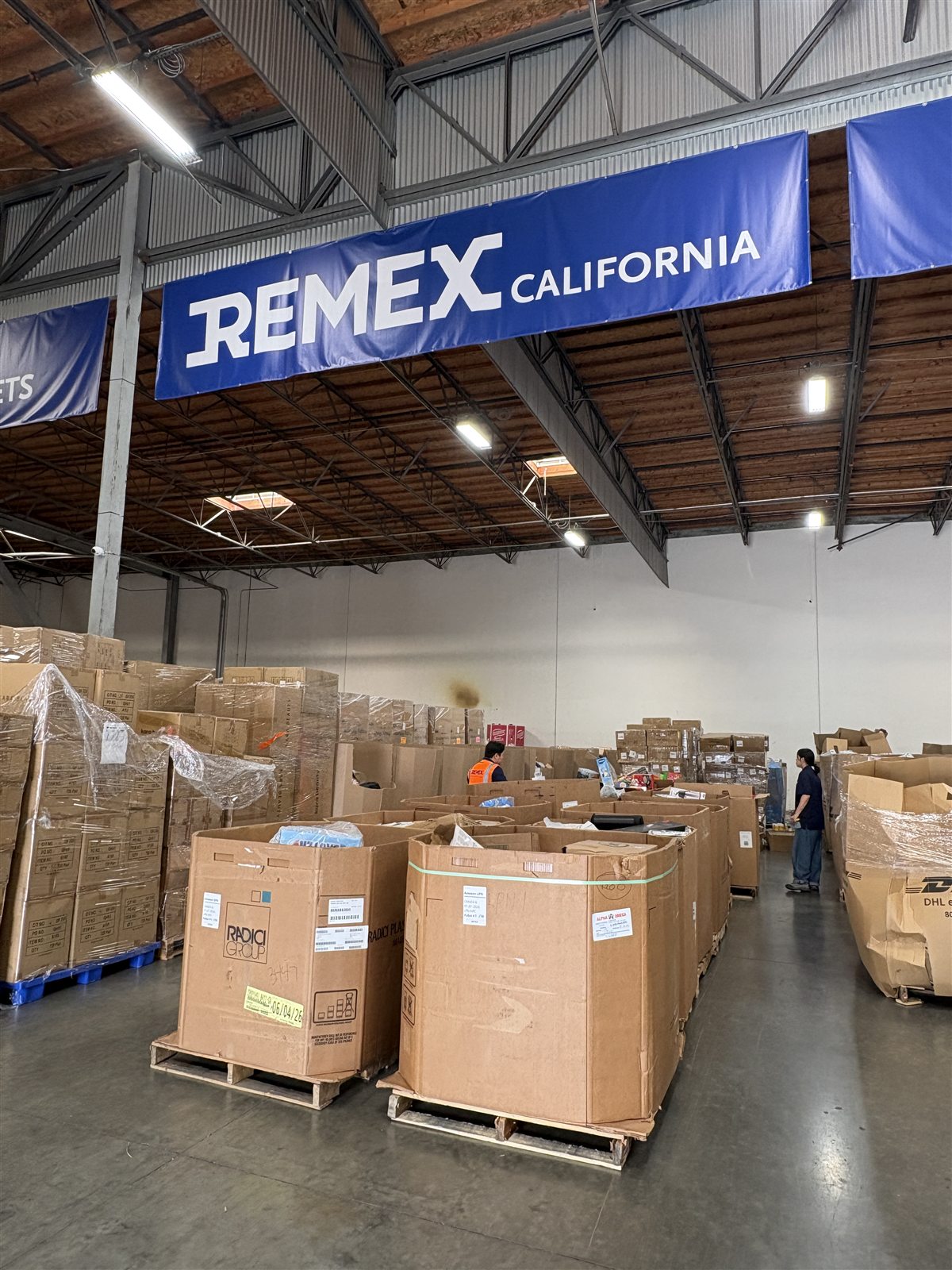
An overstock manifest can look like one opportunity while the goods are spread across several warehouses. One site may hold ready pallets, another may have loose cartons, and a third may still be reconciling quantities. Moving everything to a single location can help, but it is not automatically the cheapest or fastest exit.
The right comparison is between executable alternatives: collect from the existing sites, consolidate at a chosen hub, or use a hybrid. Start with the condition of the inventory and the readiness of each location, not with a preference for a tidy address list.
Create a site-level inventory map
For every warehouse, show verified quantities, SKUs, condition categories, batch information where available, case configuration, and pallet status. Add the site's release process, appointment requirements, access constraints, and named contact.
Keep stock awaiting inspection separate from ready inventory. If one location has not confirmed its counts, do not spread that uncertainty across a combined total that appears fully verified. A central spreadsheet should preserve the evidence behind each site's entry.
Compare three possible routes
Direct collection from each site
This avoids an intermediate transfer and can preserve existing pallet organization. It also requires coordinated appointments, consistent documentation, and agreement on how partial collections affect the transaction. The buyer must know whether each location is a separate release or part of a combined commitment.
Consolidation at a hub
A central location can simplify final pickup and provide space for an authorized sorting or verification task. It creates inbound transfer costs and another handling event. The hub also needs capacity, a receiving process, and a way to reconcile arrivals before the stock is offered as a single ready lot.
A hybrid collection
Ready pallets at a large site might be collected directly while small compatible quantities move to a nearby hub. This can avoid transferring everything, but the plan still needs clear lot boundaries and a final view of any remaining stock.
Model the whole movement, not just final freight
Include transfer freight, origin handling, destination receiving, storage, recounting, new materials, and final collection obligations. Ask which costs are confirmed and which are estimates. Do not assume a lower final pickup quote offsets every upstream expense.
For an illustrative planning example, imagine three sites with six, three, and one prepared pallets respectively. These figures are not logistics recommendations or buyer pricing promises. A hub transfer could make the final collection simpler, but its value depends on actual routes, handling requirements, timing, and stock compatibility.
Protect identity during the transfer
Retain the origin warehouse reference and stable pallet identifiers. If receiving at the hub creates new identifiers, record the relationship rather than erasing the old ones. Reconcile expected and received quantities before marking the transfer complete.
- Do not mix restricted and unrestricted stock without preserving their boundaries.
- Keep different condition categories and unresolved holds distinguishable.
- Record changes to mixed-pallet composition.
- Investigate damage or count differences before adding units to the ready pool.
A single location does not make different stock commercially identical. Consolidation should reduce logistical complexity without flattening important differences in the manifest.
Choose a plan with a stop rule
Set the conditions that must be met before transfers begin: approved scope, receiving capacity, cost authorization, and a workable intended exit. If the final opportunity depends on unresolved commercial assumptions, consider whether moving the stock now only relocates the problem.
After the decision, assign one coordinator and retain site-specific responsibilities. Track stock as available, reserved, in transfer, received, or released so the same units cannot appear available at both origin and hub.
When you submit multi-location beauty inventory to Offcos for review, include a separate quantity and readiness breakdown for each warehouse. That allows a collection discussion to begin with the real geography of the stock rather than an artificially combined total.
Turn dead stock into working capital.
Tell us what you have. You get a firm offer within 24 hours, and you are paid before anything leaves your warehouse.