When to Split an Excess Beauty Inventory Lot by SKU
A mixed beauty lot is not always the easiest lot to sell. Learn how to separate commercially different SKUs, preserve workable case quantities, and compare the added recovery ag...
Oct 27, 2026 · Jenny Parker · 4 min read
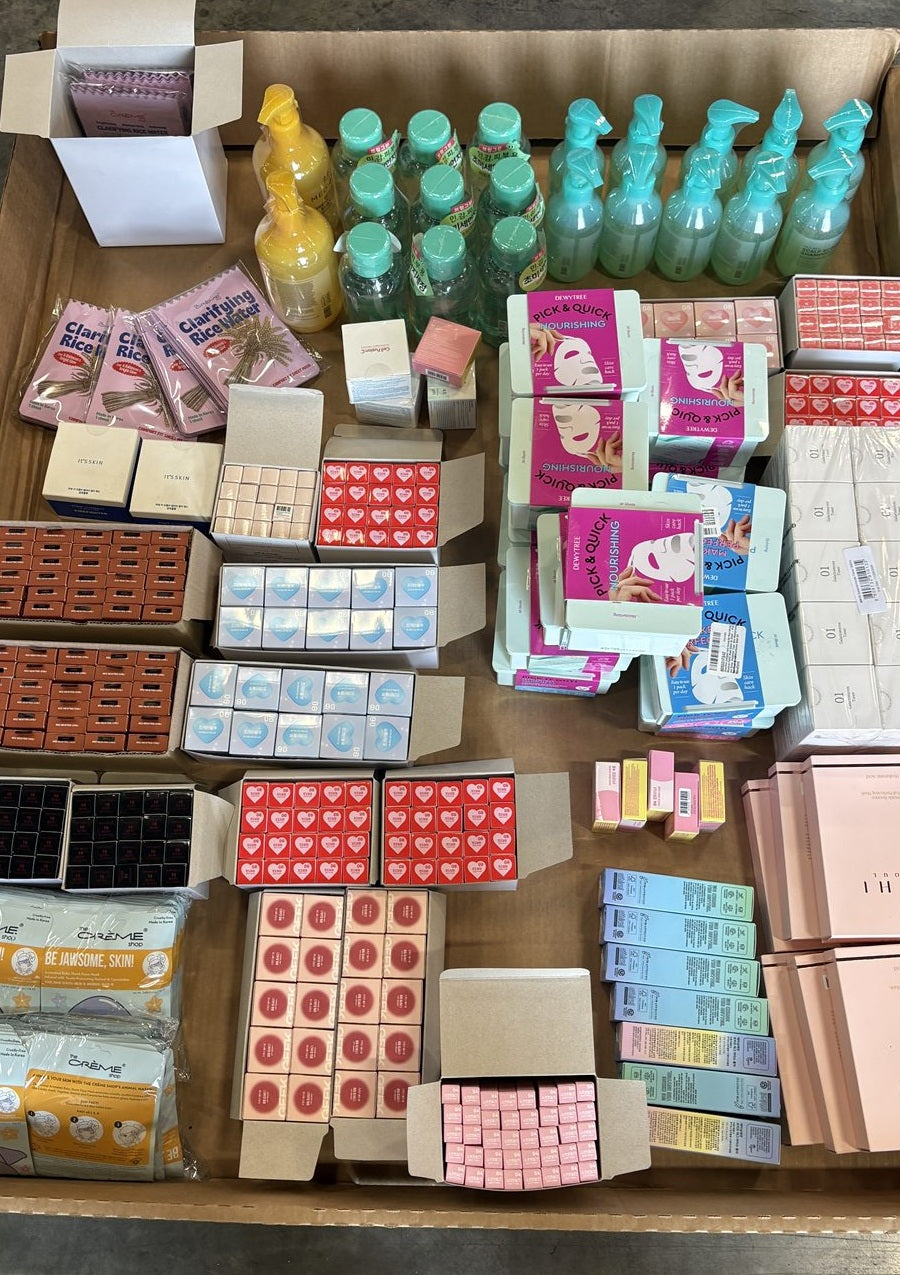
A single offer for all excess beauty inventory can simplify a warehouse exit. It can also hide differences between products that buyers would evaluate very differently. A current assortment of sealed moisturizers, discontinued foundation shades, and incomplete promotional sets may share a storage location without sharing a realistic resale route.
Splitting a lot is a commercial decision, not simply a spreadsheet exercise. The goal is to create groups a qualified buyer can understand and handle while keeping the seller's warehouse work under control. More lots do not automatically produce better net recovery.
Start with the differences that change a buying decision
Build an initial view by SKU, then add the attributes that can change eligibility, demand, or handling. Useful fields include available quantity, case pack, product category, shade or variant, packaging condition, known date information, lot identifier, warehouse, and permitted destination or channel.
Do not split every variation into a separate offer immediately. First ask whether a difference changes the buyer pool or creates a separate operating requirement. Two shades with similar condition and identical restrictions might belong together. The same product in sealed retail cartons and visibly damaged cartons should not be presented as one undifferentiated line.
Draw hard boundaries before commercial ones
- Separate inventory with unresolved safety, recall, tampering, or identity concerns from any proposed sale.
- Keep products with different documented channel permissions distinguishable.
- Separate confirmed saleable units from quantities awaiting inspection or reconciliation.
- Preserve batch and date distinctions when they matter to the buyer's review.
These boundaries protect the accuracy of the offer. They are not an invitation to route questionable goods into a cheaper lot. Unresolved inventory remains on hold until the responsible team determines an appropriate disposition.
Choose between a hero lot, a balanced bundle, and a tail lot
A hero lot contains the clearest, most broadly usable stock. A tail lot holds commercially slower variants that still meet the seller's resale criteria. A balanced bundle combines compatible products when the stronger items help support a practical purchase of the remaining assortment.
For an illustrative planning example, imagine a manifest containing 2,400 sealed cleansers and 600 units across discontinued color variants. These quantities are not buyer pricing promises. Test a combined offer against separate cleanser and color lots. The split only helps if the improvement in expected recovery exceeds the additional work and leaves a credible path for the color inventory.
Avoid measuring success only by the attractive lot's offer. If the cleanser sells and the color stock stays untouched, the original inventory problem is only partly solved. Evaluate the total exit, including the stock likely to remain.
Respect the physical unit of work
Warehouse teams handle cases, layers, pallets, and locations, not abstract rows. Before announcing a split, confirm whether cases are mixed, whether pallet labels distinguish the proposed groups, and whether the requested quantity would require opening intact cartons.
Ask operations for a simple work estimate: picking time, recounting, new pallet materials, photographs, relabeling, and changes to the pickup schedule. A SKU-level split that appears profitable on paper may disappear after a labor-intensive sort. Conversely, already separated pallets may make a split straightforward.
Run a net-outcome comparison
Use the same quantity and condition assumptions for both scenarios. Compare the expected proceeds from a combined lot with the proceeds from all proposed sublots, then subtract incremental handling, storage, and freight obligations. Show any unsold remainder explicitly rather than treating it as recovered value.
Set a decision owner and a review date. If a split generates interest in only one portion, decide whether to rebundle, adjust the lot boundaries, or proceed with a partial sale. Keep offers tied to a manifest version so quantities cannot quietly drift between discussions.
Send a lot map, not a puzzle
Each offered group should have a clear identifier, included SKUs, quantities, condition notes, restrictions, and pickup location. Include a short explanation of what is excluded. A buyer should not have to infer whether an attractive product is available separately or only within the full package.
To discuss a workable lot structure for your beauty overstock, request an inventory review from Offcos. Share your manifest and the operational limits that matter before committing your warehouse to a split.
Turn dead stock into working capital.
Tell us what you have. You get a firm offer within 24 hours, and you are paid before anything leaves your warehouse.